







Search Results for: Pour-Over Coffee Liquid
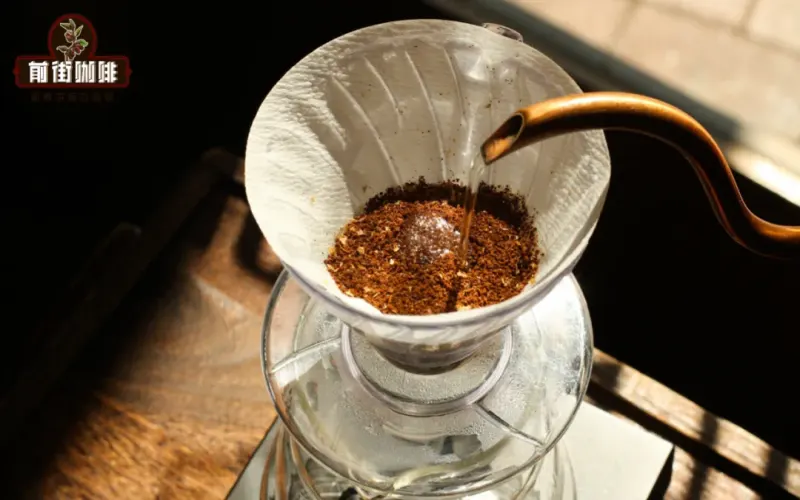
Why Is the Bloom Water for Pour-Over Twice the Coffee Dose? What Flavors Are Lost If You Discard the Bloom Liquid?
The blooming stage of pour-over coffee may seem simple, yet it involves multiple considerations: water volume setting, saturation and absorption by the coffee grounds, and extraction concentration. Why is the blooming water exactly twice the weight of the coffee grounds? Should the dark liquid seeping out from the coffee grounds be kept or discarded? Starting from the water-absorbing characteristics of coffee grounds and drawing on measured data from Front Street Coffee's use of Panama Green Label Geisha, this article compares the changes in coffee concentration and flavor after adding versus removing the blooming liquid, and provides an in-depth analysis of the blooming liquid's actual impact on the quality of the entire cup, helping enthusiasts understand this often overlooked yet crucial brewing detail. [more…]
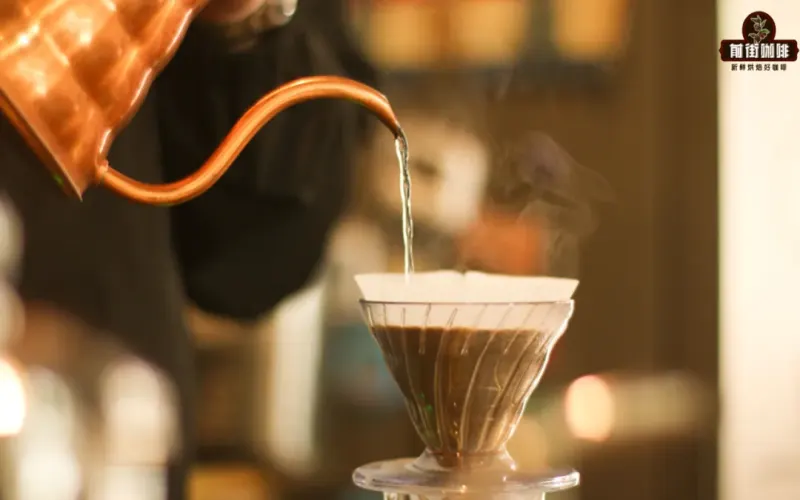
What is the difference between coffee-to-water ratio and coffee-to-liquid ratio in pour-over coffee? The calculation method and conversion logic explained clearly at once
Many friends who are just getting into pour-over coffee often confuse the coffee-to-water ratio with the coffee-to-beverage ratio, and as a result, the coffee they brew always tastes different from what they expected. In fact, although these two concepts differ by only one word, their meanings are completely different, and they cannot even be converted directly on an equal basis. Today, Front Street will explain these two measurement methods, first explaining what each of them represents, then clarifying how the coffee grounds' water absorption affects the final liquid weight, and offering a way to convert between the coffee-to-water ratio and the coffee-to-beverage ratio. Once you understand these, you will have a clearer direction when adjusting pour-over parameters, and it will be easier to consistently reproduce a delicious cup of coffee. [more…]

Two Approaches to Iced Pour-Over Coffee: An Analysis of Extraction Differences Between Adding Ice First and Adding Ice Later
While the north is still enduring the cold winter, the weather in Guangdong has quietly warmed up in January, and many coffee enthusiasts have begun to turn their attention to iced pour-over. In this article, Front Street Coffee selects the Ethiopian Yirgacheffe Red Cherry natural bean and conducts a practical test of two iced pour-over methods: one is to drop the ice directly into the sharing pot placed under the dripper, and the other is to mix the coffee liquid with ice only after the hot pour-over is completed. The two methods show obvious differences in flavor presentation. The former has a flat mouthfeel and insufficient layers, while the latter displays a full fruity feel and honeyed sweetness. The article records in detail the water temperature, coffee-to-water ratio, grind size, and staged pouring specifics, and explains how the V60 dripper structure affects extraction layering, helping readers understand the extraction logic behind ice-first versus ice-later. [more…]
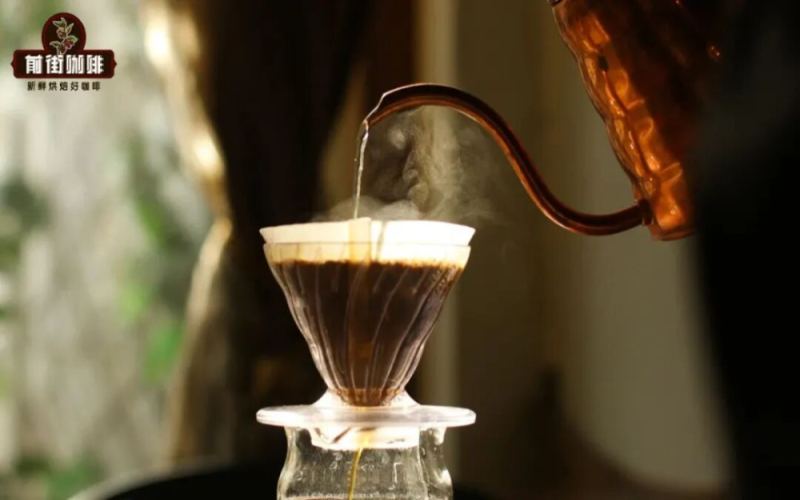
Coffee Extraction Experiment: Can Brewed Coffee Liquid Be Re-brewed? A Comparative Test of Beans with Different Roast Levels
Pour-over coffee is usually extracted only once, but recently a method called "double pour-over" has attracted attention—pouring the already-brewed coffee liquid back into the coffee bed in the dripper for a second extraction, which is said to make the coffee sweeter. Front Street Coffee specially designed a set of comparative experiments for this, selecting three single-origin beans with different roast levels and conducting regular pour-over and second-round re-pouring respectively, comparing them one by one across dimensions such as aroma, acidity, body, and finish. The experimental results show that, provided the beans are of good quality and the parameters are properly controlled, second-round re-pouring can indeed enhance intensity, but not all roast levels are suitable. This article will present the complete experimental process, brewing parameters, and flavor comparison results, and provide suggestions for bean varieties suitable for trying double pour-over. [more…]

How to Determine the Water-to-Coffee Ratio for Iced Pour-Over Coffee? An Analysis of Ice Placement Timing and a Complete Brewing Plan
Iced pour-over coffee, with its refreshing and palate-cleansing taste, has become a favorite among many coffee enthusiasts. But to make a delicious iced pour-over, the key lies in setting the water-to-coffee ratio and how you use the ice. Unlike hot pour-over, iced pour-over requires first extracting a highly concentrated hot coffee liquid, then diluting and cooling it with ice, so the coffee-to-water ratio, pouring amount, and ice quantity all need to be readjusted. This article will explain in detail the brewing approach for iced pour-over, suitable coffee bean choices, and the parameter scheme used by Front Street Coffee in actual practice, helping you easily recreate a cup of iced pour-over with complete flavor at home. [more…]
Comparison of Two Iced Pour-Over Coffee Methods: Why the Flavor Difference Is So Pronounced When Ice Is Added First Versus Last
As the weather warms up, iced pour-over coffee has once again returned to the attention of coffee lovers. In this article, Front Street Coffee uses Ethiopian sun-dried Red Cherry coffee beans as an example, employing a Hario V60 dripper, to compare two iced pour-over brewing methods—adding ice cubes before extraction, and pouring the brewed coffee over ice after extraction is complete. Under the premise that both use identical parameters such as coffee-to-water ratio, water temperature, and grind size, the final flavor profiles turn out to be worlds apart. The article documents in detail the brewing steps and flavor descriptions of both methods, and analyzes the reasons behind the differences from the perspective of the V60 dripper's layered extraction characteristics. If you also want to make a richly layered, sweet and full-bodied iced pour-over at home, why not follow along with Front Street and see exactly how these two methods differ. [more…]
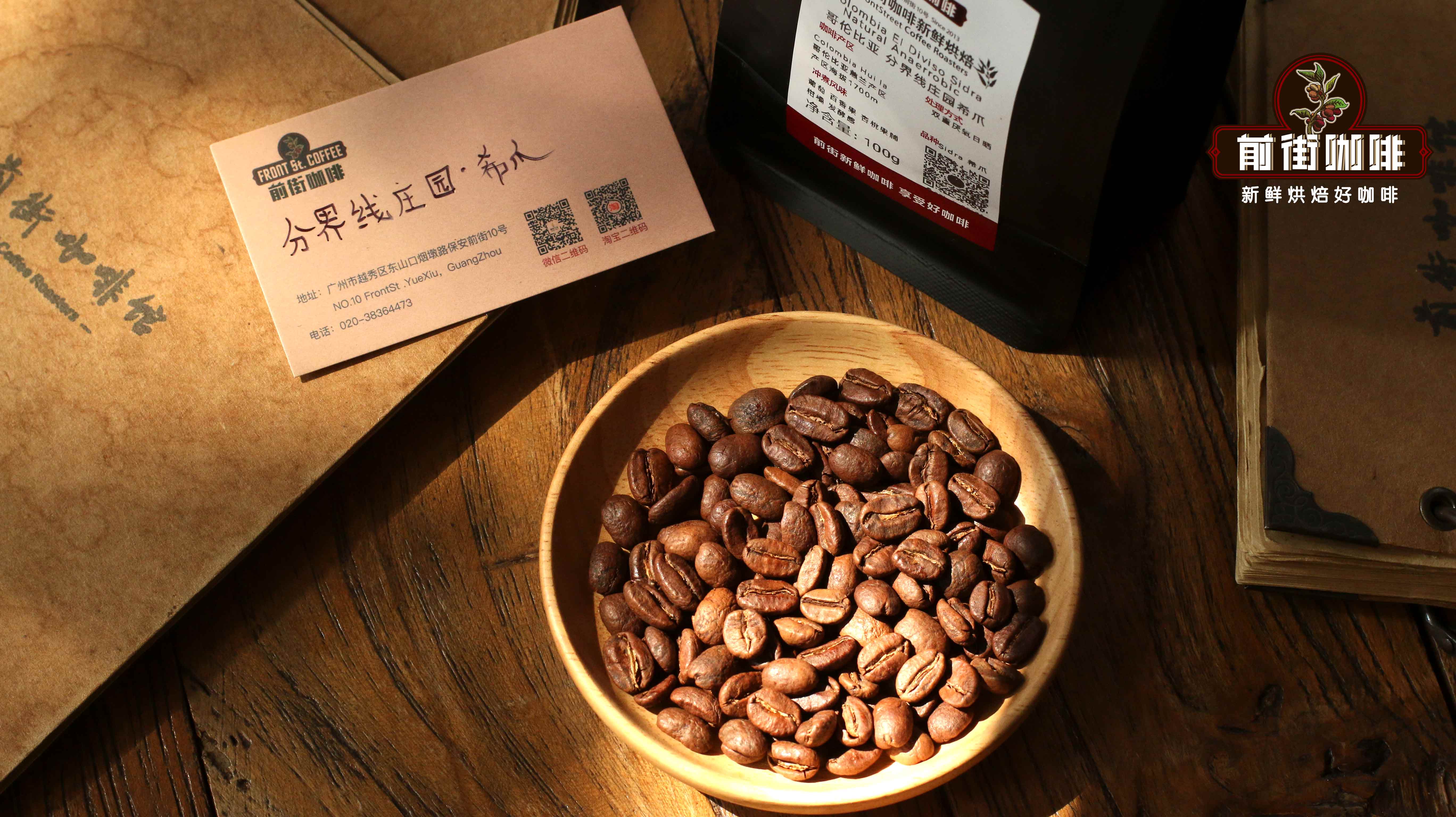
Comparison of Two Dilution Methods for Iced Pour-Over Coffee: Flavor Differences and Key Operational Points Between Diluting with Ice and Diluting Over Ice
On a scorching summer day, iced coffee naturally becomes a hot topic of discussion among coffee lovers. Some coffee enthusiasts have raised the question: for iced pour-over coffee, is it better to simply add ice to dilute it, or to let the coffee liquid flow over ice to dilute it? To this end, Front Street specially carried out a round of comparative experiments, selecting Costa Rican巨石 Estate coffee beans and using the same brewing parameters to prepare an add-ice group and an ice-flow group separately, conducting a comprehensive comparison from flavor performance and mouthfeel layers to operational stability. This article will break down in detail the principles, operating procedures, and experimental results of the two dilution methods, helping you make iced pour-over coffee at home that suits your own taste. [more…]
Should You Wet the Filter Paper for Pour-Over Coffee? An Experiment Reveals the Answer from Three Dimensions: Liquid Volume, Concentration, and Taste
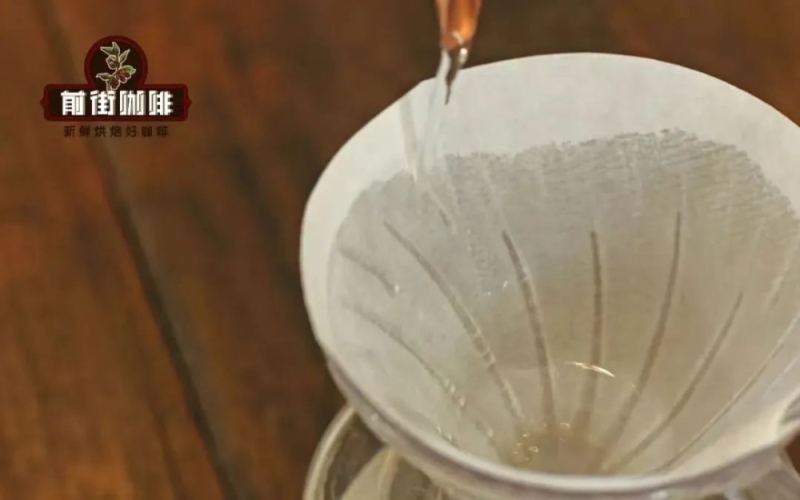
When brewing pour-over coffee, should the paper filter really be pre-wetted? This question seems minor, yet it can affect the final liquid volume, concentration, and flavor expression. This time, Front Street Coffee used two drippers, the V60 and Origami, along with two types of filters, conical and cake, to conduct comparative brews with wetted and non-wetted filters, comparing the differences one by one from liquid weight and refractometer data to actual tasting. At the same time, the article also explains in depth why the blooming stage should use twice the amount of water as the coffee grounds, and why the portion of liquid that first contacts the coffee grounds has a lower concentration. If you have also agonized over this detail, you may as well follow the experimental data and see it clearly. [more…]

Should Pour-Over Coffee Tasting Also Involve Slurping? An Analysis of the Principle and Practical Application of This Action in Cupping
Slurping is a tasting technique commonly used in cupping. By atomizing the coffee liquid, it amplifies flavor and aroma, while the airflow lowers the temperature, making the taste perception more complete. As this action has gradually been accepted by more enthusiasts, many people also try it when drinking pour-over coffee. So, does pour-over coffee also need slurping? What are the similarities and differences between it and slurping in cupping? Starting from the definition of slurping and its two major roles in cupping, this article will analyze the rationality and precautions of using slurping in the pour-over scenario, and include scientific slurping steps to help coffee lovers perceive the flavors in the cup more accurately. [more…]
What is the difference between coffee-to-water ratio and coffee-to-liquid ratio in pour-over coffee? How to correctly calculate ratios under the Golden Cup extraction standard
When brewing coffee, the concepts of coffee-to-water ratio and coffee-to-liquid ratio may seem similar, but their meanings are actually quite different. Many beginners often confuse the two, which leads to deviations in the flavor of the final cup. Today, Front Street will break down the definitions, applicable scenarios, and conversion methods of these two ratios in detail, to help everyone control the extraction process more precisely. Understanding the essential difference between the coffee-to-water ratio and the coffee-to-liquid ratio is a key step toward mastering the Golden Cup extraction standard and consistently reproducing good flavor. [more…]

Pour-Over Coffee | Is Cloudy Coffee Liquid a Sign of Poor Coffee Quality? Why Does the Coffee Liquid from Pour-Over Coffee Vary Between Black and Red?
Customers and friends often chat about coffee-related topics at Front Street Coffee's stores, such as coffee origins, brewing parameters and steps, or coffee flavors. Then occasionally, some friends bring up more niche topics, for example—the liquor color of coffee. "Liquor color" is a professional term borrowed from tea evaluation. [more…]

Pour-over Coffee Three-Stage Pouring Technique Tutorial | How Much Water for 15g of Coffee Powder in Pour-over Coffee? How Can Coffee Beginners Make a Single Serving of Pour-over Coffee?
When brewing pour-over coffee, Front Street Coffee insists on using a 1:15 coffee-to-water ratio—why is that? Was this result arrived at by chance, or was it derived from various brewing experiments based on data? In this article, Front Street will explain why. [more…]
Ice Coffee Brewing Methods | What's the Difference Between Cold Brew, Ice Drip, Iced Americano, and Iced Pour-Over? Which Ice Coffee Tastes Better?
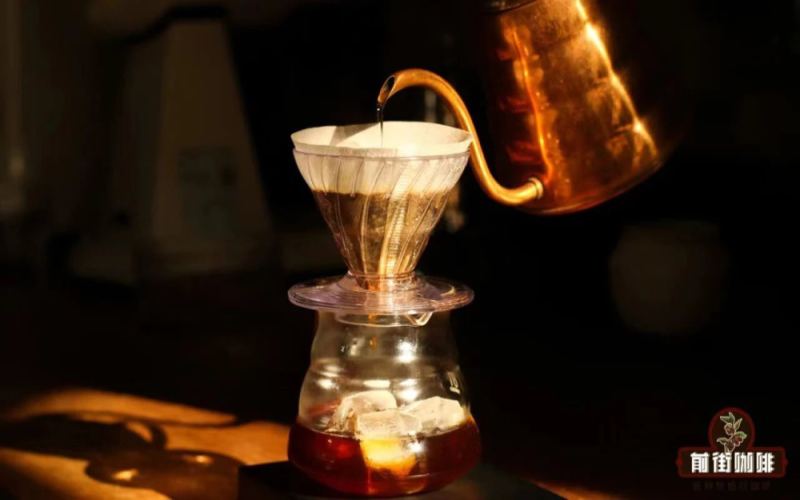
As temperatures gradually rise, the popularity of iced coffee slowly heats up too. Common types of iced coffee include iced pour-over coffee, iced espresso, cold brew coffee, and cold drip coffee, etc. But what are the differences between these four types of iced coffee? And how do they differ in taste? Today Front Street Coffee (FrontStreetC [more…]
Pour-Over Coffee Ratio for One Person: 15g Coffee to 225ml Water and a Three-Pour Extraction Guide
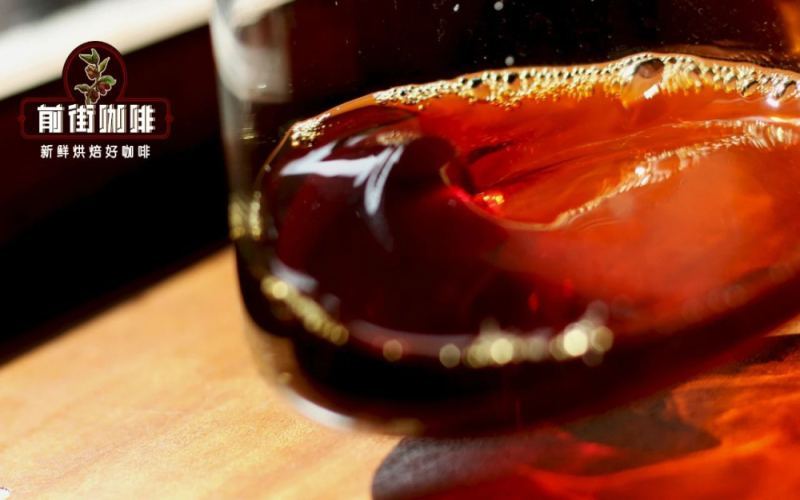
How much water should 15 grams of coffee grounds actually be paired with? How can a single-serving pour-over brew a stable and delicious cup? This article starts from the 1:15 coffee-to-water ratio long used by Front Street Coffee, explaining the difference between the coffee-to-water ratio and the water-to-coffee ratio, why the brewed coffee liquid is not 225 milliliters, the relationship between 1:15 and the Golden Cup extraction range, and why this ratio is reliable enough for most coffee beans. At the same time, the article also fully breaks down the specific steps of three-stage pouring, including blooming, the water volume for each stage, changes in the liquid level, and the shaking and blending after brewing ends, helping you better bring out floral aromas, fruity acidity, and rich layers with pour-over. [more…]
Pour-over coffee vs. espresso: extraction differences and flavor comparison — which is more suitable for beginners?
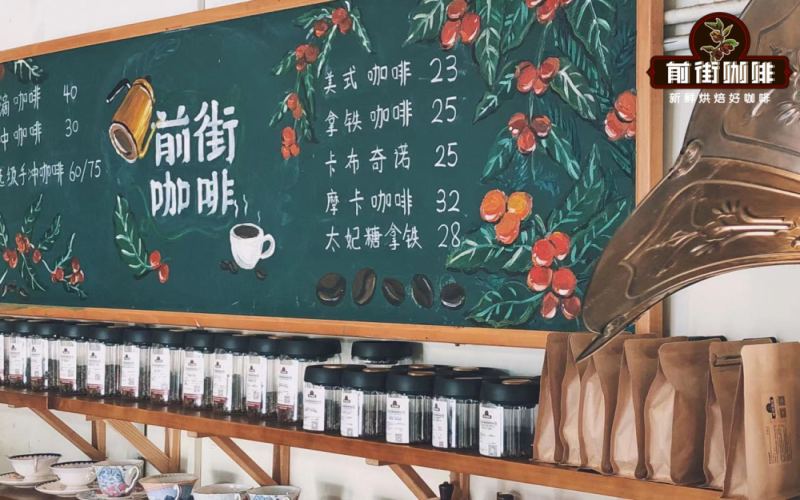
Between the two mainstream extraction methods of pour-over and espresso, coffee lovers often face confusion when choosing. This article systematically sorts out the core differences between pour-over drip coffee and espresso pressure extraction from the perspectives of extraction principles, equipment setup, and parameter control, and analyzes their different requirements for coffee bean quality and roast level. At the same time, drawing on Front Street Coffee's production experience, it introduces the suitable scenarios for the everyday bean series and classic espresso blends, and includes specific preparation ratios for hot Americano and iced Americano, helping readers make a wiser choice based on their own taste preferences. [more…]
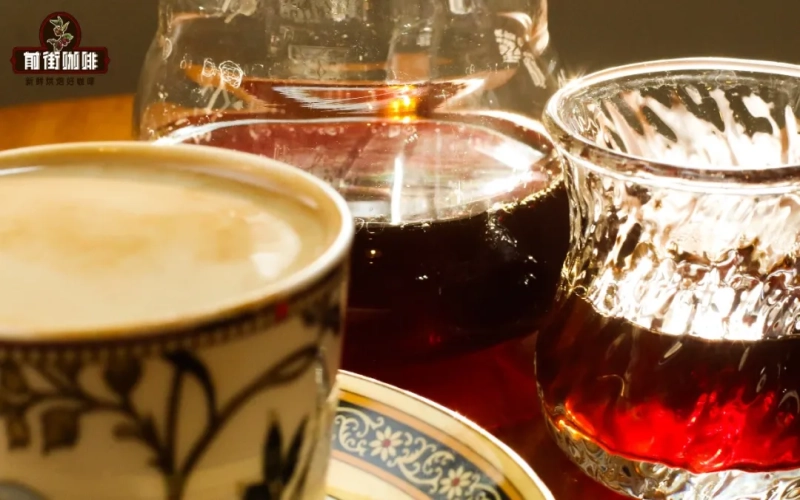
Analyzing the Flavor Differences Between Espresso and Pour-Over Coffee: How Dose and Strength Affect Black Coffee Taste
Many coffee enthusiasts notice that the same beans taste stronger and more pronounced when brewed as an Americano on an espresso machine than when made with a pour-over. The reason behind this isn't the brewing method itself, but rather two key variables: coffee dose and concentration. Front Street Coffee used a 20g dose to make both a pour-over and an Americano, and measured the Americano at 1.95% concentration versus 1.54% for the pour-over—a significant difference. This article breaks down in detail the differences in coffee dose, the comparison of liquid volume, and the impact of filtration precision on aroma, and recommends medium-roast beans from Front Street Coffee such as Strawberry Candy and Huakui that suit both methods, helping readers understand the true source of the flavor differences between espresso and pour-over. [more…]

Iced Pour-Over Coffee: Ice First or Ice Last? A Full Breakdown of Coffee-to-Ice Ratios and the Brewing Process
There are mainly two ways to make iced pour-over coffee: one is to pre-place ice cubes in the server before brewing, and the other is to complete the brew first and then add ice cubes to the coffee liquid. What flavor differences do these two operational paths actually bring? Which method better presents the ideal iced coffee taste? In this article, Front Street Coffee will compare the specific differences between these two methods through practical testing, and at the same time list in detail the key parameters of iced pour-over, such as coffee dose, grind size, coffee-to-water ratio, ice amount, water temperature, and pouring method, to help you master the complete production process and techniques of iced pour-over coffee. [more…]
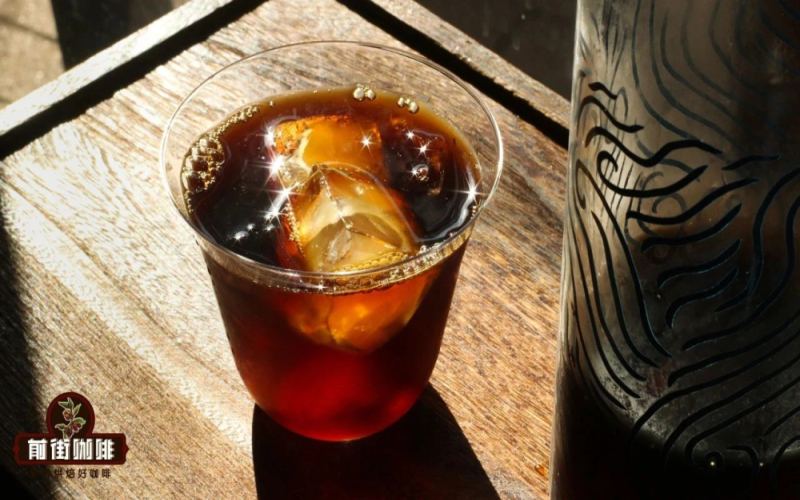
What's the Difference Between Americano and Pour-Over Coffee? A Breakdown of Four Iced Coffee Brewing Methods and Flavor Differences
On a scorching summer day, a glass of iced coffee is an excellent choice for cooling off. However, there are many types of iced coffee—iced pour-over, ice drip, cold brew, and iced americano each have their own merits, and many coffee enthusiasts often can't tell the differences between them. This article will introduce the brewing principles and flavor characteristics of these four iced coffees one by one: iced pour-over preserves a clean and refreshing taste by reducing the amount of water and adding ice to cool it down; ice drip uses ice water for long, slow dripping to bring out fermented notes and a sweet aroma; cold brew uses low-temperature immersion to obtain a balanced and mellow coffee liquid; iced americano mixes espresso with ice water, presenting a rich flavor like dark cocoa. It will also share Front Street Coffee's specific parameters and recommended beans for making various iced coffees, helping you easily recreate them at home. [more…]

Iced Americano, Iced Pour-Over, Cold Brew, and Ice Drip: A Full Breakdown of the Craft, Time, and Flavor of Four Iced Coffees
More and more people are drinking iced coffee in summer, but can you really tell apart these four common types of iced coffee: iced Americano, iced pour-over, cold brew, and iced drip? Although they are all called iced coffee, there are actually considerable differences from extraction principles to preparation time, and then to the final flavor expression. This article sorts out the similarities and differences of these four kinds of iced coffee one by one from four dimensions: extraction method, preparation time, difficulty of home operation, and taste characteristics. The article also includes the specific brewing parameters and steps of Front Street Coffee, including practical plans for beans such as Front Street Sunflower Warm Sun, Fruit Ding Ding, and Strawberry Candy, to help you more clearly understand what kind of beans and scenarios each type of iced coffee is suitable for, and also make it convenient to replicate at home. [more…]
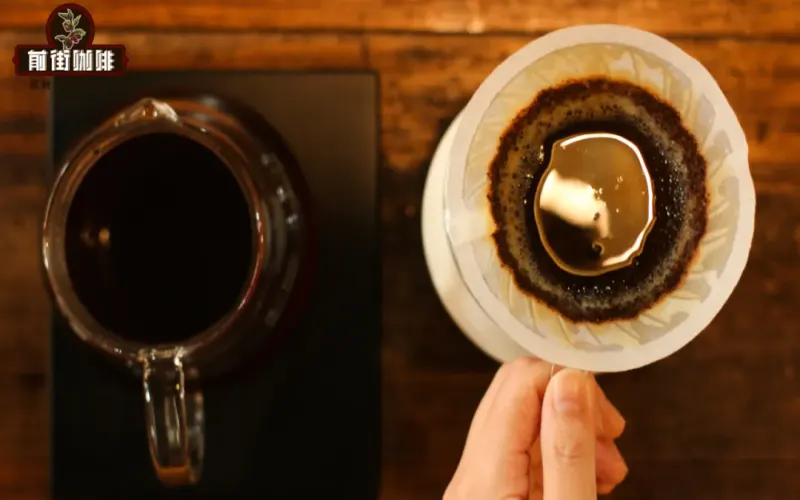
A Complete Guide to Bypass Brewing in Pour-Over Coffee: The Difference Between Coffee-to-Water Ratio and Coffee-to-Beverage Ratio, and When to Use Bypass Correctly
In the practice of pour-over coffee, "cutting off" the brew is a technique that is often mentioned. Many enthusiasts believe that the tail-end coffee liquid carries bitterness, and so habitually remove this portion at the end of brewing. However, cutting off the brew is not a universal key—improper use can instead destroy the coffee's complete flavor. From the perspective of Front Street, this article takes a deep dive into the dissolution patterns of bitter substances, explains why the tail end does not produce negative flavors under reasonable parameters, and distinguishes in detail between the two concepts of coffee-to-water ratio and coffee-to-liquid ratio, while also sorting out the two scenarios in which cutting off the brew truly applies—actively incorporating the cutoff into the brewing framework, and being forced to cut off due to clogging. By understanding these principles, coffee enthusiasts can use the cutoff more scientifically and improve their brewing quality. [more…]